
Why Summer Camp Holds the Secret to Flourishing Chapters
by Dr. Lori Hart
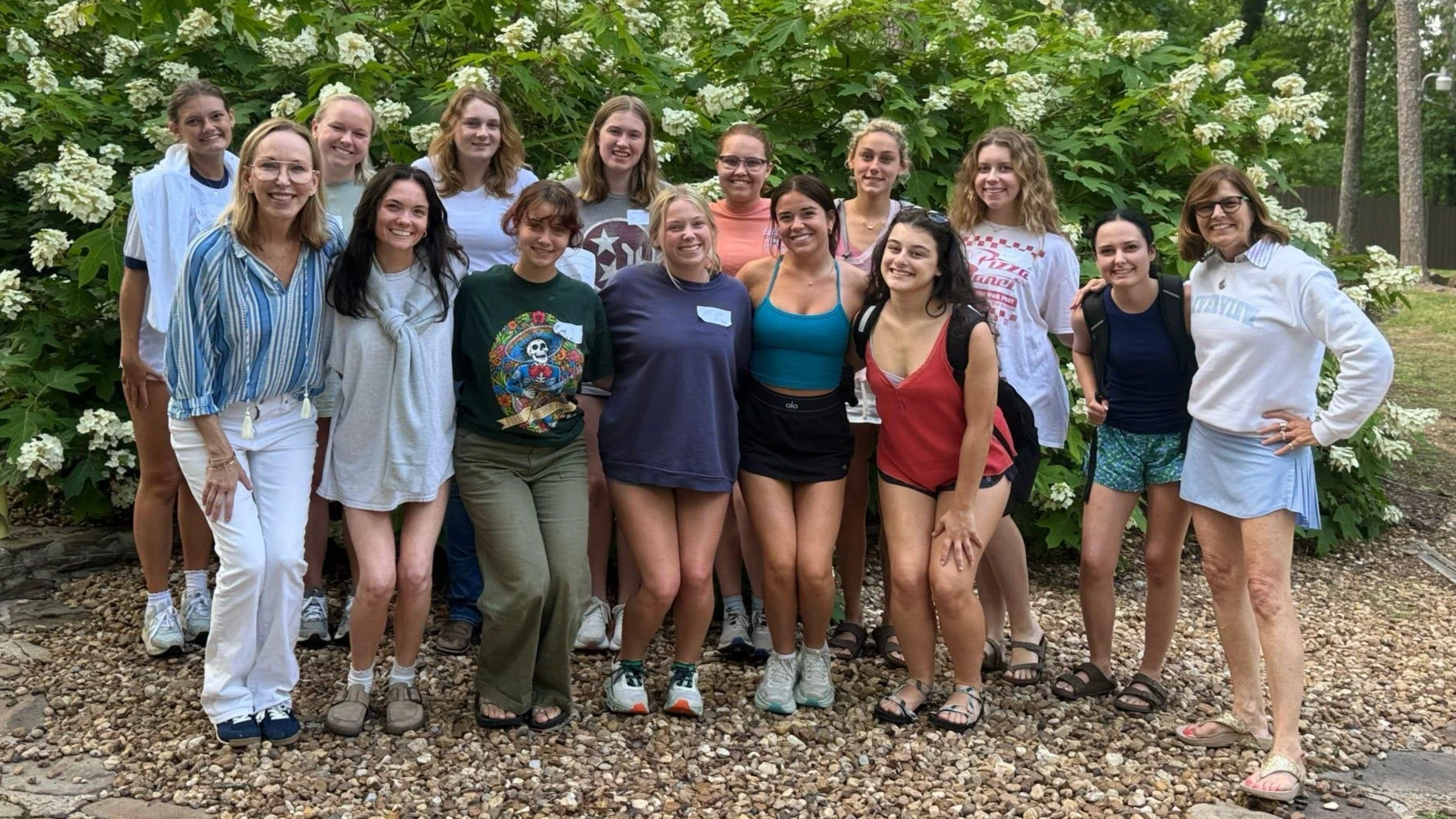
If you know me, you know my love (near obsession) with summer camp. I was a camp counselor during my summers in college, and that choice led me to a career in higher education. It changed me as a person. My emerging adult son spent years camping as a Boy Scout and at a camp where he grew from camper into a counselor. It changed him too.
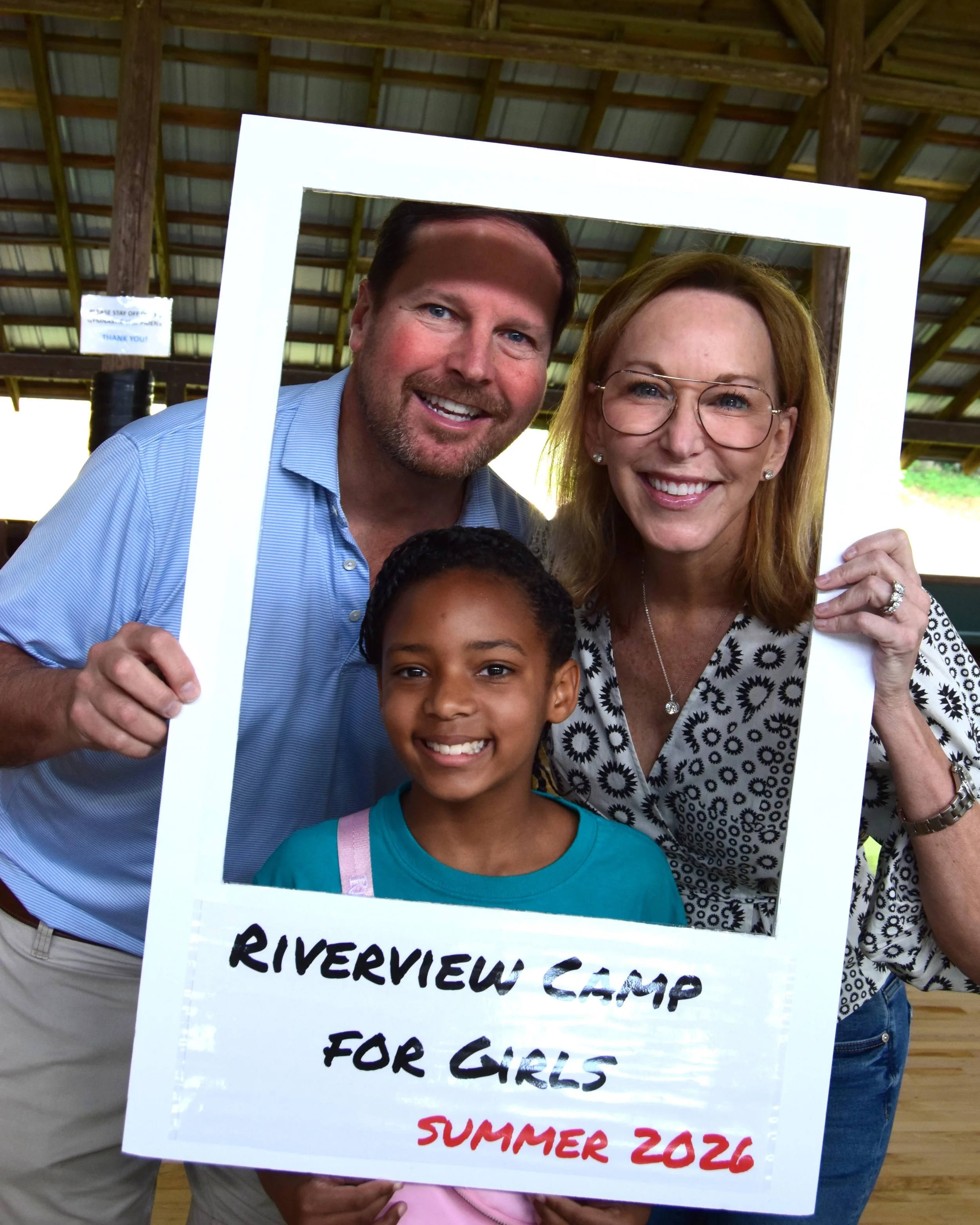
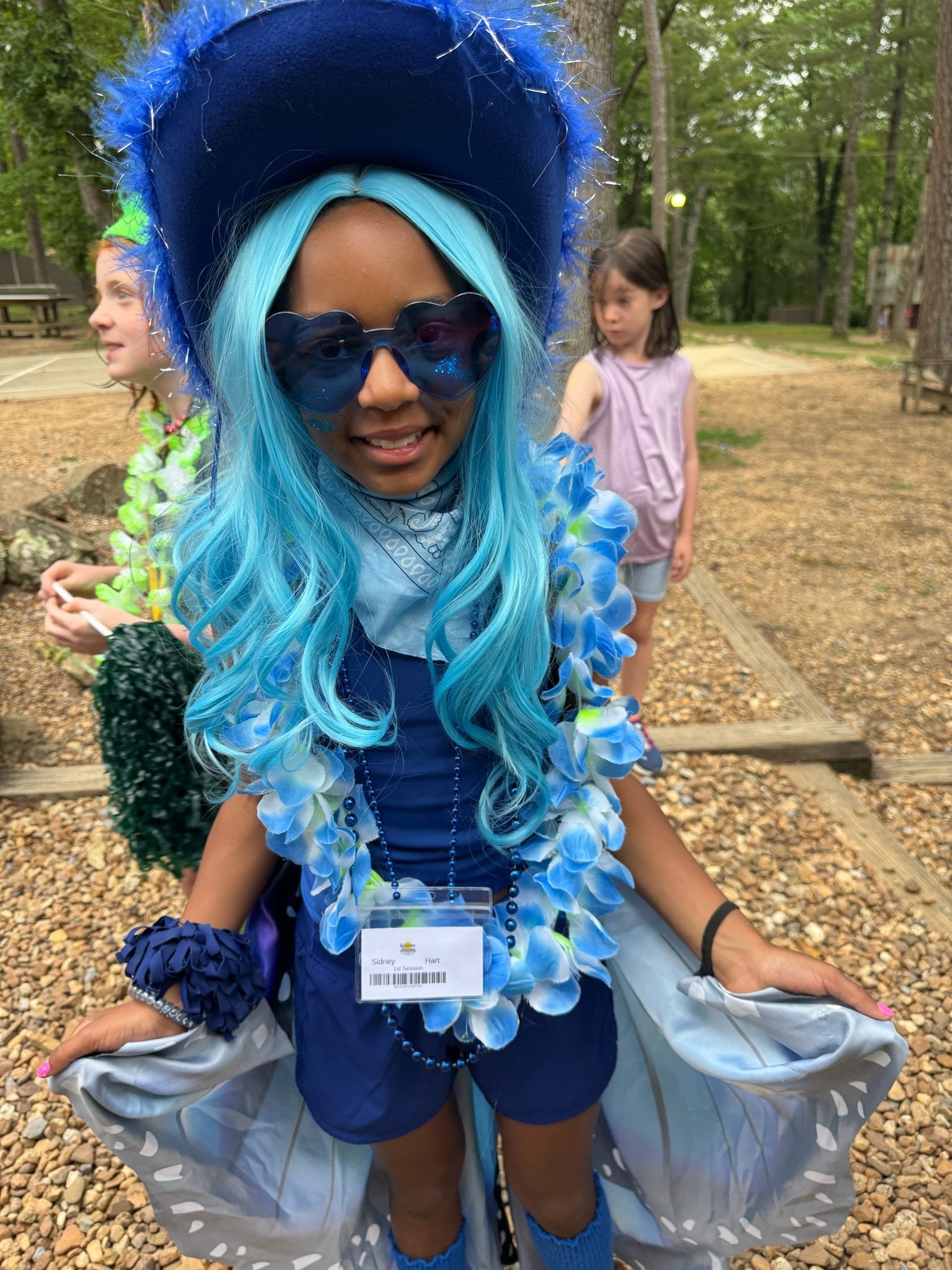
Currently, my favorite days of summer are when I am training camp counselors, and when I’m dropping my daughter off at camp. She even forgoes a family vacation so she can go to camp twice each summer. We are a camp family.
So, why do I love camp?
Every summer, thousands of young people have the opportunity to attend summer camp and step into a world where belonging is engineered, joy is expected, and community is built with intention. They arrive nervous, excited, unsure, and within hours, they’re singing songs, learning names, and settling into a culture that feels safe, structured, and strangely magical.
And here’s the truth: fraternities and sororities could learn a lot from summer camp. Not in a childish way, but in a deeply human way. Because camp isn’t about crafts and canoes. Camp is about culture, and culture is what makes or breaks a chapter.
Below are the lessons summer camp has mastered that fraternity and sorority communities desperately need right now.
1. Camp Creates Belonging on Purpose, Not by Accident
At camp, belonging starts the moment kids arrive. Counselors greet them by name. Icebreakers aren’t optional, they’re the culture. The message is clear: you belong here, we’re glad you’re here, you’re part of us now.
Chapters often assume belonging will “just happen” once recruitment is over. But belonging is not a byproduct, it’s a practice, it’s intentional, and it’s ongoing.
Flourishing chapters build connection into the rhythm of their week, not just the first week of school.
2. Counselors Model the Culture They Expect
Camp staff don’t just enforce rules, they embody the tone. They show patience, consistency, and warmth. They model how to disagree, how to include, how to repair.
Chapter leaders, on the other hand, often feel pressure to manage instead of model. They’re juggling logistics, policies, and crises.
But the truth is simple: culture is caught, not taught. Members follow what they see, not what they’re told.
3. Rituals Build Identity, Trust, and Safety
Camp is full of rituals: morning flags, cabin chats, songs, traditions, nightly reflections. These aren’t fluff, they’re structure. They create predictability, which creates safety.
Chapters have rituals too, but they’re often reserved for special occasions. What’s missing is the everyday ritual, the weekly rhythm that builds trust and identity.
A chapter without rituals (beyond the text in the book) is a chapter without glue.
4. Psychological Safety Is the Real “Camp Magic”
Campers try new things because they feel emotionally safe. They know they won’t be mocked for trying archery for the first time or for being afraid of the lake.
Members need that same safety. They need to know they can speak up, ask for help, admit mistakes, and be human.
Psychological safety isn’t soft. It’s the foundation of accountability, honesty, and growth.
5. Joy Is a Leadership Strategy
Camp understands something many adult communities forget: joy is not frivolous, joy is bonding, joy is protective.
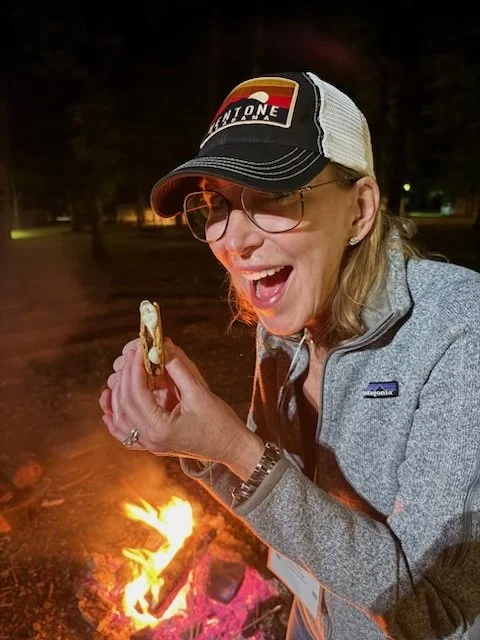
When people laugh together, they trust each other. When they trust each other, they communicate better. When they communicate better, they behave better.
Chapters under stress often lose joy first, and everything else follows. Bringing back joy isn’t about being silly, it’s about being strategic.
6. Everyone Has a Role and a Purpose
At camp, every camper has a job. Every cabin has responsibilities. Everyone is needed.
In chapters, it’s common to see a few over-functioning leaders and many under-engaged members. Not because people don’t care, but because they don’t feel needed.
Engagement skyrockets when everyone has a role, even a small one. Purpose is a powerful antidote to apathy.
7. Reflection Is Built Into the Culture
Camp ends each day with reflection, cabin chats, debriefs, moments of meaning-making. It’s how campers learn, repair, and grow.
Chapters rarely pause long enough to reflect on relationships, culture, or conflict. They move from event to event, crisis to crisis.
But flourishing requires reflection. It requires asking:
How are we doing
How are we treating each other
What needs to change
Reflection is where accountability and connection meet.
8. Camp Prioritizes Safety Without Killing the Fun
Camp rules are clear, consistent, and reinforced with kindness. Safety is woven into the culture, not delivered as a threat.
Chapters often struggle with inconsistent enforcement or unclear expectations. Members don’t know what the rules mean, only that they exist.
Camp teaches us that safety and joy are not opposites. They reinforce each other. When people feel safe, they have more fun. When people have more fun, they make safer choices.
The Bottom Line: Camp Isn’t Childish, It’s Human
Summer camp works because it understands people. It understands belonging, structure, joy, and safety.
It understands that culture is built in the small moments, not the big ones.
Fraternities and sororities don’t need to become camps, but they do need to borrow the best parts of camp culture if they want to flourish. Because flourishing chapters aren’t built on policies, they’re built on people. And people thrive in environments that feel a little more like summer camp.
So, how do you start? Your chapter already has members who love camp as much as I do, maybe even some former counselors. Gather them together, discuss the ideas in this blog, and ask them to get to work.
Still need direction? Start with your chapter meetings. They should be the most productive, fun, and energizing hour of the week.
About Dr. Lori Hart
For over thirty years, she has been the 'go-to guru' for taking the messiest, most complex problems on college campuses and turning them into systems that make sense.
She’s a researcher, a champion for student health, and a parent who understands exactly what’s at stake. She believes that we don't need more rules, we need better relationships.
Looking to engage your chapter or community in supportive and encouraging conversations about the type of culture you can create to flourish?