
Everyone Has a Hand in the Mission
What NASA Can Teach Fraternity and Sorority Leaders
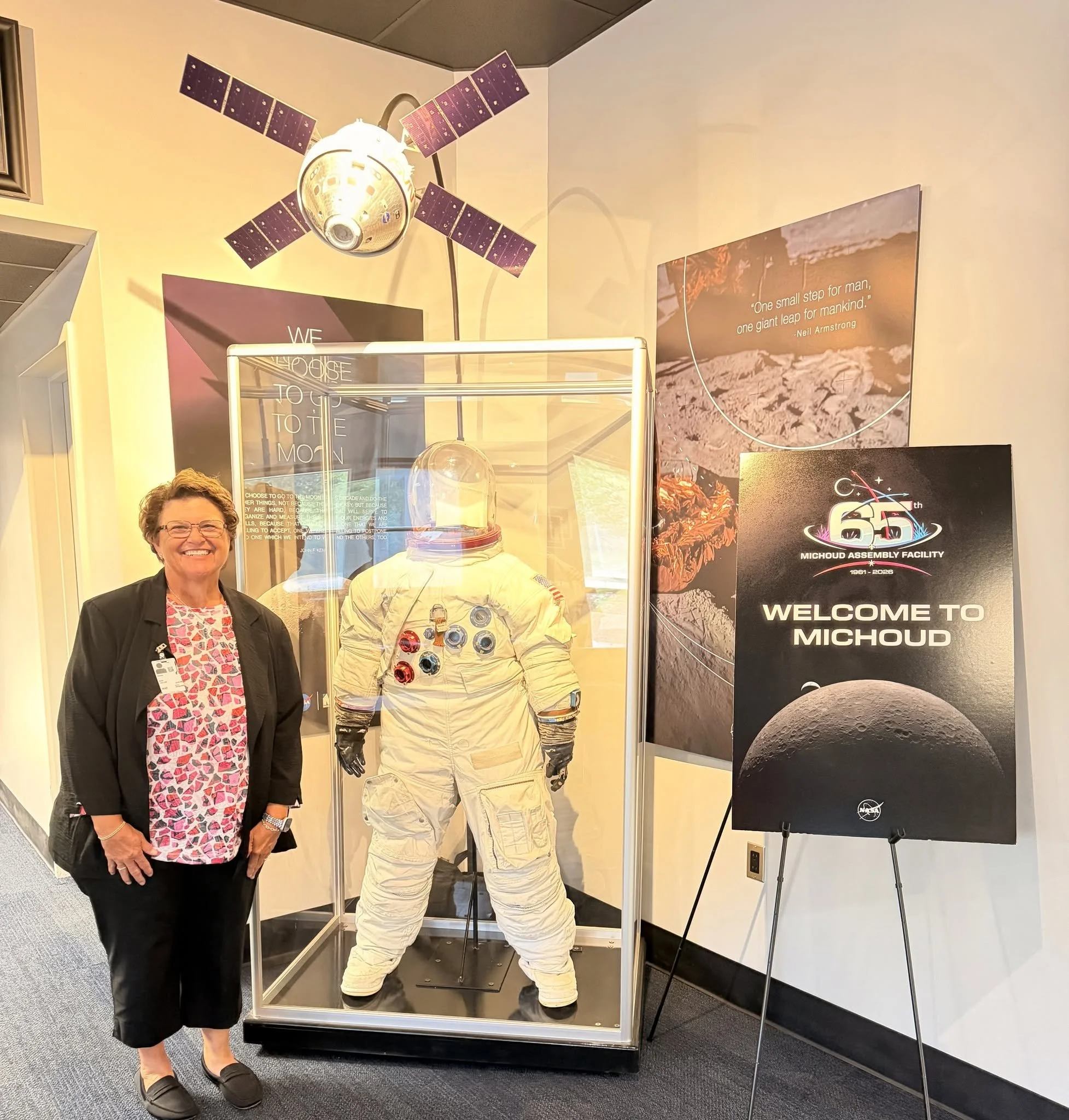
I was recently invited to speak with a group of leaders at NASA’s Michoud Assembly Facility in New Orleans. I had the privilege of co-presenting with Dr. Alicia Lacour, CEO of Ochsner Health’s Northshore and Mississippi Gulf Coast Region. Together, we shared our leadership journeys and reflected on the opportunities, challenges, and people who shaped the leaders we have become.
Following our presentation, we toured the Michoud facility often described as America’s rocket factory. It is where some of the largest components for NASA’s Artemis missions are manufactured, welded, assembled, outfitted, and inspected.
The scale of the facility is extraordinary. Yet what impressed me most was not simply what NASA builds. It was how people with different responsibilities, perspectives, and areas of expertise work together to build it.
As I walked through Michoud, I kept thinking about fraternities and sororities.
Our organizations may not be building rockets, but we are building something important. We are building communities, developing leaders, preserving legacies, and creating experiences that can shape people for a lifetime. That work requires every member, volunteer, advisor, and staff member to understand that they have a hand in the mission.
Put Expertise Close to the Work
Throughout the Michoud production floor, engineers work near the equipment and the people constructing spacecraft components. While an engineer may design a component using sophisticated technology, the person manufacturing or assembling it may notice something that cannot be seen on a computer screen. The people closest to the work often see what leaders cannot. The same is true in fraternity and sorority life.
Chapter members experience the organization differently from national leaders, headquarters staff, advisors, or alumni volunteers. They know what it feels like to attend the meetings, participate in recruitment, navigate chapter expectations, manage relationships, and experience the organization’s culture every day.
Likewise, chapter advisors, campus professionals, house directors, and volunteers often notice challenges before those challenges appear in a formal report.
Effective leaders create meaningful opportunities for these individuals to share what they see, identify concerns, ask questions, and recommend improvements.
Listening does not mean leaders must agree with every suggestion. It means recognizing that valuable expertise exists at every level of the organization. If we only listen to the people with the highest titles, we will miss the wisdom of those living the membership experience.
Break Down the Distance Between Thinking and Doing
At Michoud, placing engineers and production employees near one another reduces the distance between those who design the work and those responsible for performing it. Questions can be answered more quickly, problems can be identified earlier, and plans can be tested against real-world experience.
Fraternities and sororities sometimes create too much distance between those who make decisions and those expected to carry them out. A national council develops a strategic direction. Staff members create resources. Volunteers communicate expectations. Chapter officers are then asked to implement the plan—sometimes without fully understanding why the decision was made or having an opportunity to contribute to the conversation. When decision-makers and implementers are disconnected, even a strong strategy can fail.
Before introducing a new policy, program, or membership initiative, leaders should ask:
Have we included the people who will be responsible for implementing this?
Do they understand the purpose behind the decision?
Have we considered how this will work in different chapter environments?
What support, resources, and education will people need?
Have we created a way for them to provide feedback?
Bringing people into the conversation does more than build buy-in. It produces better decisions. Strong leaders do not simply invite people to the table. They understand that the work will be better because those people are there.
Keep the Mission and Its People Visible
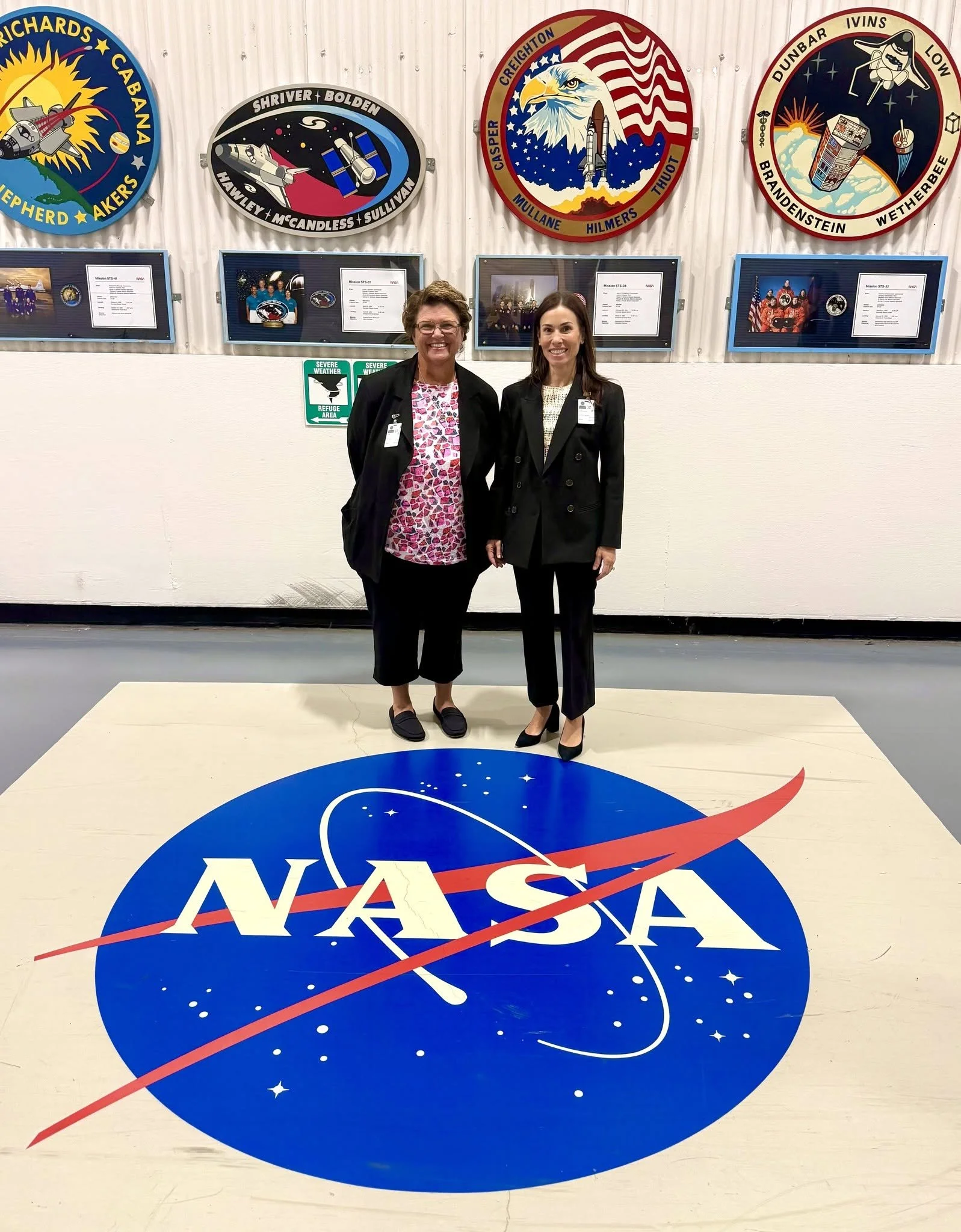
One of the most meaningful displays at Michoud featured photographs of astronauts connected to missions supported by the facility, along with the official patches representing their mission teams. Those images made the purpose of the work personal.
Employees were not simply welding components, inspecting equipment, or completing technical assignments. They were supporting real people whose safety depended on the quality of their work. Fraternities and sororities must also keep the people affected by our mission visible.
It is easy to become consumed by recruitment numbers, budgets, reports, policies, programming requirements, and risk-management procedures. All those responsibilities matter, but they are not the mission. They are tools that help us fulfill the mission.
The mission is reflected in the student who finds a community during a lonely semester. It is visible in the emerging leader who discovers confidence through a chapter role. It lives in the member who receives support during a personal crisis and in the alumna or alumnus who continues serving because the organization gave them something worth preserving.
Our history, rituals, symbols, photographs, awards, and stories should do more than decorate our spaces. They should remind members of the people who came before them, the values they inherited, and the responsibility they now carry forward.
Leaders should continually ask:
Can our members see the people affected by their work?
Do they understand how their responsibilities contribute to our purpose?
Are we sharing stories that demonstrate the difference membership makes?
Are our values visible in the everyday member experience?
When people see who depends on them and understand where their contribution fits, routine responsibilities take on greater meaning. The work becomes more than completing a task. It becomes part of a shared mission and a legacy.
Connect Every Role to the Mission
A familiar story associated with NASA tells of President John F. Kennedy meeting a janitor during a facility visit. When Kennedy reportedly asked the man what he did there, the janitor replied, “I’m helping put a man on the moon.”
Whether every detail happened exactly as the story has been retold is less important than the leadership truth it communicates: the janitor understood how his role contributed to the mission. Can everyone in our organizations say the same?
Does the chapter secretary understand that accurate records preserve the organization’s history and strengthen accountability?
Does the treasurer recognize that responsible financial management protects the chapter and makes meaningful experiences possible?
Does the recruitment chair understand that recruitment is not simply about reaching a quota, but about inviting people into a values-based community?
Do initiated members understand that welcoming, mentoring, and supporting others is not solely the responsibility of an officer or committee?
Do volunteers, advisors, house directors, and staff members see how their individual contributions support the growth, safety, and belonging of members?
Too often, we give people responsibilities without helping them understand the purpose behind those responsibilities. We explain what must be done, but not why it matters.
Every member and leader should be able to answer four questions:
Why does what I do matter?
Who benefits from my contribution?
How does my role advance our mission?
Would the organization be different if I did not fulfill my responsibility?
Purpose should not belong only to national presidents, executive directors, chapter presidents, or senior staff members. Everyone should be able to see themselves in the mission.
Leadership Is More Than Holding a Position
Fraternity and sorority leadership is often associated with elected office, but an organization’s strength does not come only from the people whose names appear on an officer roster.
Leadership happens when a member notices someone sitting alone and invites them into the conversation. It happens when an advisor asks a thoughtful question instead of immediately giving an answer. It happens when a volunteer raises a concern before it becomes a crisis. It happens when a staff member connects a policy to the organization’s values rather than simply enforcing a rule. Leadership happens whenever someone takes responsibility for strengthening the community.
Our organizations need members who understand that they are not merely attending meetings, completing service hours, paying dues, or participating in events. They are shaping the membership experience for everyone around them.
Each interaction either strengthens or weakens the culture.
Each decision either advances or distracts from the mission.
Everyone has a hand in what we are building.
Build Something Bigger Together
My visit to Michoud reminded me that extraordinary accomplishments are rarely the result of one brilliant person or one powerful position. They are made possible by people with different skills, experiences, and perspectives working toward a shared purpose.
NASA may build rockets, but its leadership lessons are deeply relevant to fraternities and sororities:
Listen to the people closest to the membership experience.
Bring decision-makers and implementers into the same conversation.
Keep the people served by the mission visible.
Connect every role and responsibility to a larger purpose.
Remind every member that their contribution matters.
Our organizations were created around values, relationships, service, leadership, and belonging. Preserving that purpose requires more than a strong national office, an effective board, or a committed chapter president. It requires everyone to recognize their place in the mission. When people understand the mission, see themselves in it, and know their knowledge and contributions are valued, they do more than hold membership. They help create communities where people matter. They carry forward a legacy entrusted to them. And together, they build something far bigger than themselves.
About Dr. Mari Ann Callais
Dr. MAC has the ability to combine real talk, research, humor, and storytelling to create spaces where students feel seen, heard, and challenged to grow. Her work focuses on belonging, leadership development, generational understanding, and helping students recognize that their college experience can shape who they become long after graduation.
Let Dr. MAC get to work on your next Mission.